Tricycles are mainly divided into two categories: passenger-carrying and cargo-carrying. The selection criteria differ significantly depending on their intended use:
1. Passenger-Carrying Tricycles
Suitable Scenarios: Picking up children, providing transportation for the elderly, short-distance travel.
Key Selection Points:
-Comfort: Prioritize models with padded seats and adjustable backrests. Some high-end models are equipped with shock absorption systems.
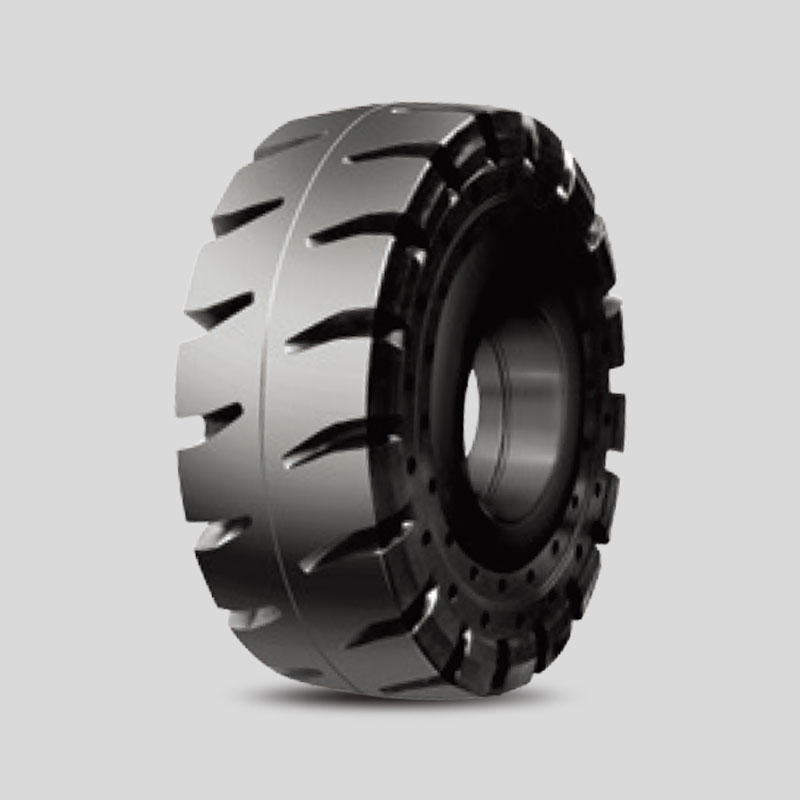
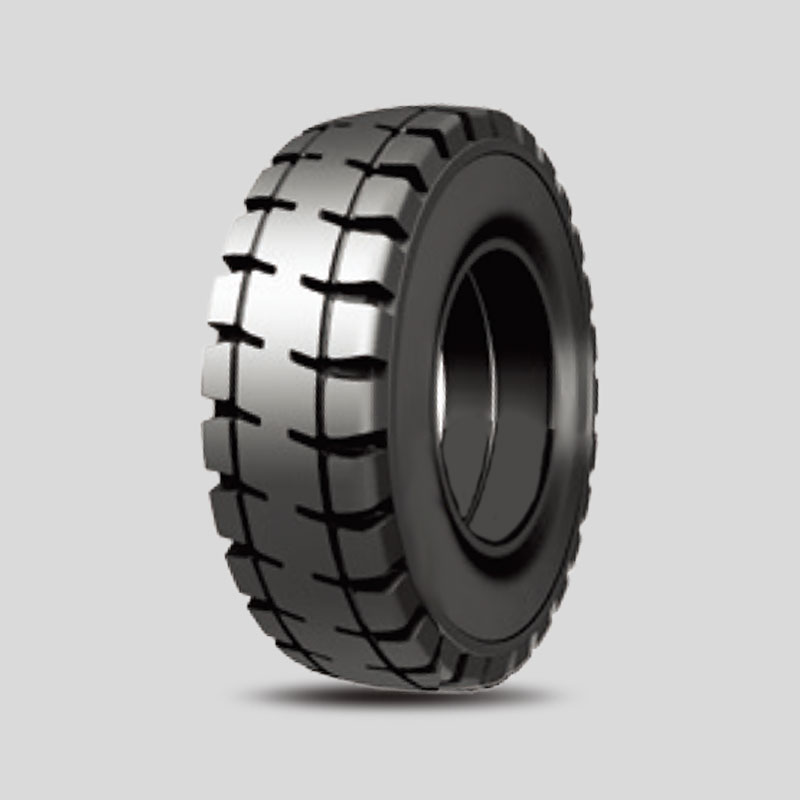
-Safety: Check that the braking system (e.g., disc brakes, drum brakes) and lighting system (turn signals, taillights) are complete. It is recommended to choose models with non-slip tires.
-Convenience: Consider whether you need a folding function (for easy storage) and a sunshade or rain canopy (to cope with weather changes).
-Stability: Choose models with a low center of gravity and wide wheelbase to avoid the risk of tipping over.
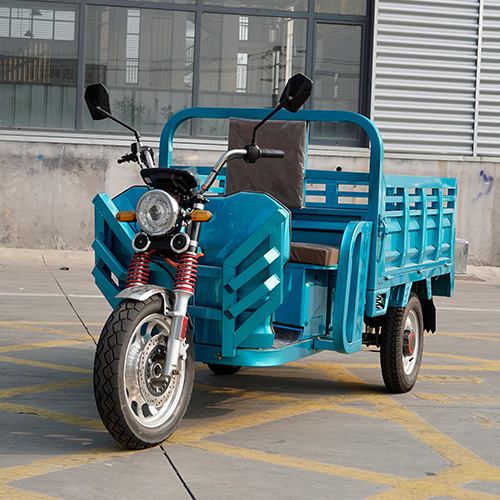
2. Cargo-Carrying Tricycles
Suitable Scenarios: Express delivery, transportation to farmers' markets, and handling small goods.
Key Selection Points:
-Load Capacity: Choose a load capacity range based on your needs (e.g., 300kg, 500kg, etc.), paying attention to frame material (e.g., thickened steel tubing) and tire specifications (e.g., wider and thicker tires).
-Cargo Box Design: Prioritize detachable or foldable cargo boxes for easy loading and unloading; rust-resistant metal or high-strength plastic are recommended for the cargo box material.
-Power System: For electric tricycles, focus on battery capacity (range) and motor power (climbing ability); for fuel-powered tricycles, consider fuel consumption and engine stability.
-Handling: Choose a model with agile steering and responsive brakes to avoid difficulty in handling when carrying cargo.
We use cookies to offer you a better browsing experience, analyze site traffic and personalize content. By using this site, you agree to our use of cookies. Privacy Policy